Managing a Bilingual Construction Crew: Tools and Best Practices
Bilingual crew management is no longer a courtesy. It is a safety, productivity, and retention strategy for contractors who rely on diverse field teams.
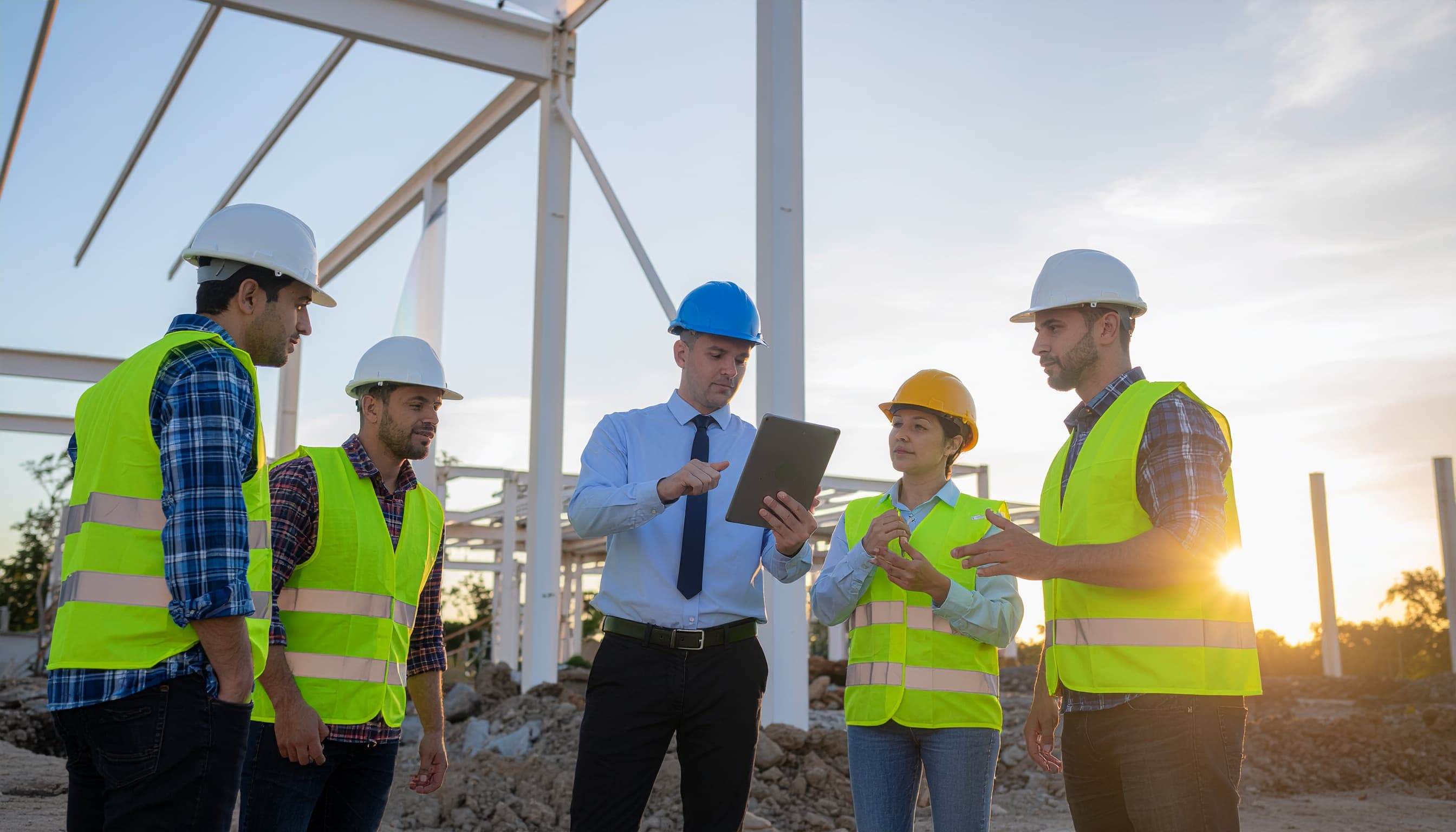
The workforce numbers are clear
Hispanic workers represent roughly 31% to 32% of the U.S. construction labor force, and in states such as Texas, California, Nevada, and New Mexico the share is much higher. For many contractors, bilingual communication is not an edge case. It is the normal operating environment. It also shapes recruiting, because strong workers notice whether a company communicates clearly with the people doing the work. That reality should change how companies manage safety, scheduling, documentation, and advancement. A crew member who understands the work but misses the nuance of an English-only instruction can still make a costly mistake. The issue is not intelligence or effort. It is whether the company has built communication systems that match the crew it actually employs.
Go beyond translation
True bilingual workflow is more than running text through a translator. Construction language is full of shorthand, trade-specific terms, site slang, and legal consequences. A good system uses consistent terminology for tasks, materials, safety hazards, locations, and approvals. The same concept should not appear three different ways across a schedule, text message, and daily report. Contractors should standardize the vocabulary they use most: work areas, PPE, inspection steps, punch items, delay reasons, and change order triggers. When field terms are consistent in English and Spanish, supervisors spend less time clarifying and more time coordinating. Consistency also helps new foremen learn the company's standards faster.
Safety communication has to be immediate
Safety instructions lose value when they arrive late or in the wrong language. Toolbox talks, hazard alerts, incident follow-ups, and equipment rules should be available in both English and Spanish before work starts. The highest-risk moments are often transitions: a new crew on site, a changed sequence, a delivery blocking access, or weather changing the plan. Bilingual safety is also a documentation issue. If a contractor has to prove that a warning was delivered, the record should show what was sent, when it was sent, and in which language. Clear communication protects workers first, and it also protects the business.
Technology should speak both languages
Many crews already coordinate through WhatsApp because it is fast, familiar, and mobile-first. That reality should inform software decisions. A WhatsApp integration, bilingual field notifications, and Spanish-ready task views can reduce the gap between office systems and field behavior. The strongest bilingual platforms do not force workers to choose between productivity and comprehension. They let the office keep structured records while the crew receives clear instructions in the language they use every day. For contractors competing for skilled labor, that matters. Workers stay longer when they feel respected, informed, and set up to succeed.