The Follow-Up System That Turns One Job Into Three
Most contractors lose the easiest money they will ever make: repeat work from past customers. A simple follow-up system fixes that without feeling salesy.
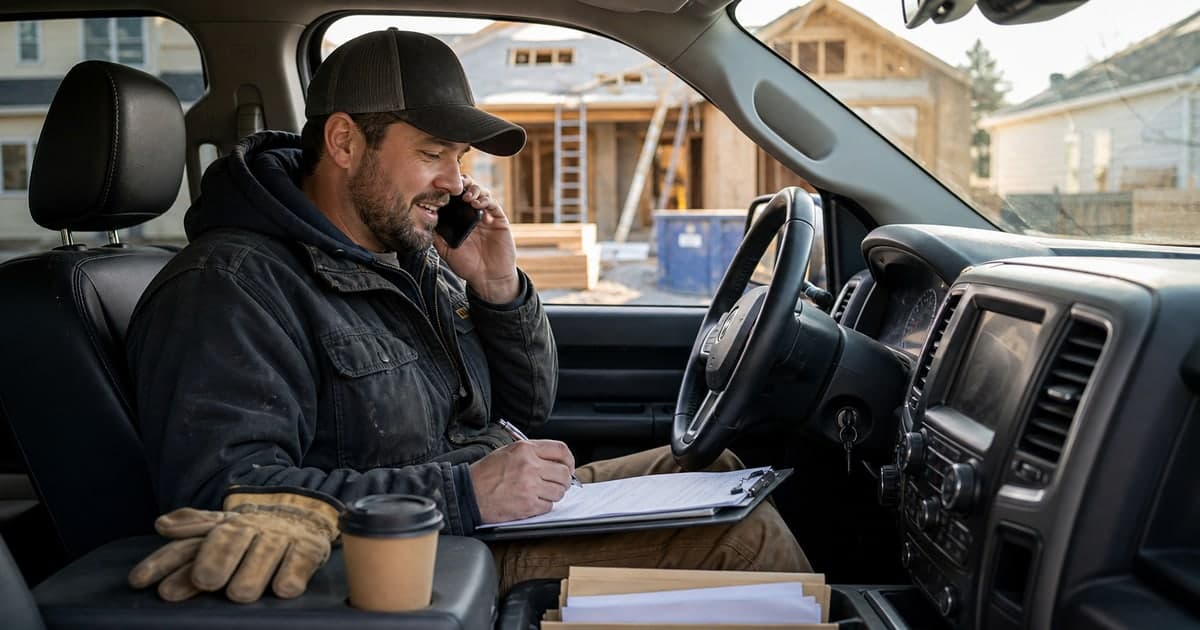
Why following up is the easiest money a contractor misses
A past customer already trusts you, already knows your work, and costs nothing to reach, yet most contractors never contact them again. That is the easiest money in the business left on the table. A simple, consistent follow-up system turns one job into repeat work and referrals without spending a dollar on new leads. Winning a brand-new customer is expensive and slow. Re-earning one you already delighted is fast and cheap. The only thing standing between you and that repeat work is a follow-up habit.
Follow up on bids you did not win yet
The first follow-up gap is the bid that goes quiet. A prospect gets your estimate, goes silent, and most contractors assume it is dead. Often it is not, they got busy, or they are still deciding. A single polite check-in a few days after sending the estimate recovers a meaningful share of these jobs. Keep it light: 'Just checking in on the estimate I sent, happy to answer any questions or adjust anything.' You are not begging; you are being the contractor who is organized and easy to work with. That alone wins jobs over the ones who never followed up.
Stay in touch after the job ends
The relationship should not end when the final payment clears. A short message a few weeks later, 'How's everything holding up?', does two things: it surfaces any small fix before it becomes a complaint, and it keeps you top of mind for their next project and for referrals. Then there are natural re-contact moments: seasonal maintenance, a warranty check-in, the anniversary of a big remodel. A contractor who reaches out at the right time gets the next phase of work that the customer would otherwise have given to whoever they happened to find.
You need a list, not a memory
All of this falls apart if it lives in your head. You cannot follow up with customers you do not have written down. The contractors who do this well keep a simple record: who they are, what job you did, when, and when to reach out next. That is customer relationship management, and for a small contractor it does not require expensive enterprise software. The key is that it is consistent and effortless, so you actually do it between jobs instead of meaning to and forgetting.
Keep customers and jobs in one place
When your customer list, the jobs you did for them, the estimates, and the invoices all live in one place, follow-up becomes natural instead of a chore. You can see who you worked with, what you did, and who is due for a check-in. BuilderMaxPro keeps your customers, estimates, invoices, and job history together, so the past customers who are your easiest next sale are never out of sight. Try it at buildermaxpro.com.
Frequently asked questions
Should I follow up after sending a construction estimate?
Yes. A single polite check-in a few days after sending an estimate recovers a meaningful share of jobs that went quiet. Many prospects are just busy or still deciding, and the organized contractor who follows up often wins over the one who never does.
How do contractors get repeat customers?
Stay in touch after the job ends with a short check-in, and reach out at natural moments like seasonal maintenance or the next project phase. A past customer already trusts you, so re-earning their work is faster and cheaper than finding new leads.
Do small contractors need a CRM?
They need a simple, consistent record of customers, the jobs done, and when to follow up next, not expensive enterprise software. Keeping customers, estimates, invoices, and job history in one place makes follow-up natural instead of a chore.