Should I Sign This Texas Lien Waiver?
Before signing a Texas lien waiver, match the waiver to cleared payment, retainage, change orders, and the money still unpaid.
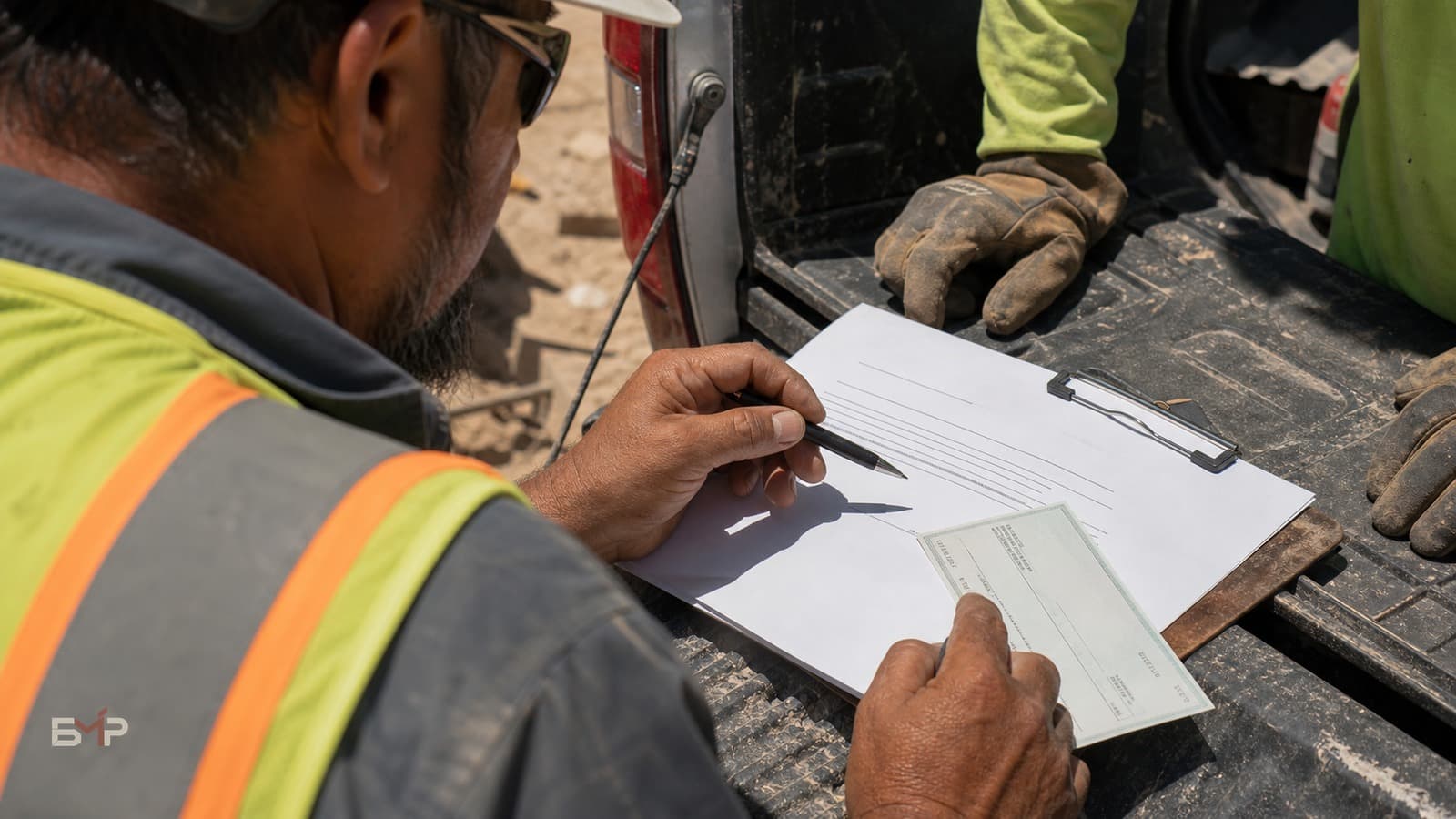
What you're actually signing
A lien waiver says: "for this payment, I give up my right to lien for this work." Reasonable enough — the payer wants proof you won't come after the property for money they've already paid. The trap is in two distinctions most contractors blow past at the signing table: Conditional vs. unconditional. A conditional waiver only takes effect once the payment actually clears. An unconditional one takes effect the moment you sign — whether the check clears or not. Sign an unconditional waiver against a check that bounces, and you've given up your lien rights for money you never received. This payment vs. everything. A narrow waiver gives up lien rights for the specific amount being paid. A broad one can sweep in retainage, pending change orders, delay claims — money that hasn't been paid and now never has to be.
How the good ones get burned
This rarely happens to careless contractors. It happens to agreeable ones — the contractor who doesn't want to look difficult, who signs what's put in front of them to keep the relationship smooth, who assumes a waiver tied to "this payment" couldn't possibly reach the retainage or the change order they're still waiting on. The language is dry and the moment is routine, so nobody reads it like the legal release it is.
The habit that protects you
You don't need to become a lawyer. You need to know, at the moment a waiver is in front of you, exactly what has and hasn't actually been paid on that job. Because the only safe waiver is one that matches reality: it gives up rights for money you've truly received, and not a dollar more. The contractors who never get burned are simply the ones who can answer "wait — what's still outstanding on this job?" before the pen touches paper. To be clear: lien waivers are legal documents, and the smart move is to have an attorney review the language you're routinely asked to sign. BMP doesn't give legal advice. It just makes sure you always know what's actually been paid before you sign anything that says it has.
How BuilderMaxPro helps
BuilderMaxPro keeps each job's payment status — what's invoiced, what's cleared, what's still out in retainage or pending change orders — in one place, so when a waiver lands on your desk you can see in seconds whether it matches what you've really been paid. That's the whole defense: never sign away rights to money you haven't collected. It's free to start, right in your browser.
Frequently asked questions
Should I ever sign an unconditional lien waiver?
Generally only after the payment has truly cleared your account — never in exchange for a check that hasn't. An unconditional waiver gives up your rights immediately, regardless of whether the money actually arrives.
Can a lien waiver really give up my retainage?
Broad waiver language can reach further than the payment in hand — potentially retainage, change orders, or delay claims. That's why knowing exactly what's been paid before you sign matters so much, and why an attorney should review the waivers you sign routinely.
How does BMP help at the signing table?
It shows each job's real payment status — invoiced, cleared, outstanding, retainage — so you can instantly check whether a waiver matches what you've actually received before you sign it.