Texas Pre-Lien Notices in Plain English
Plain-English Texas pre-lien notice basics for contractors who need to know who gets notice, when it is due, and why months matter.
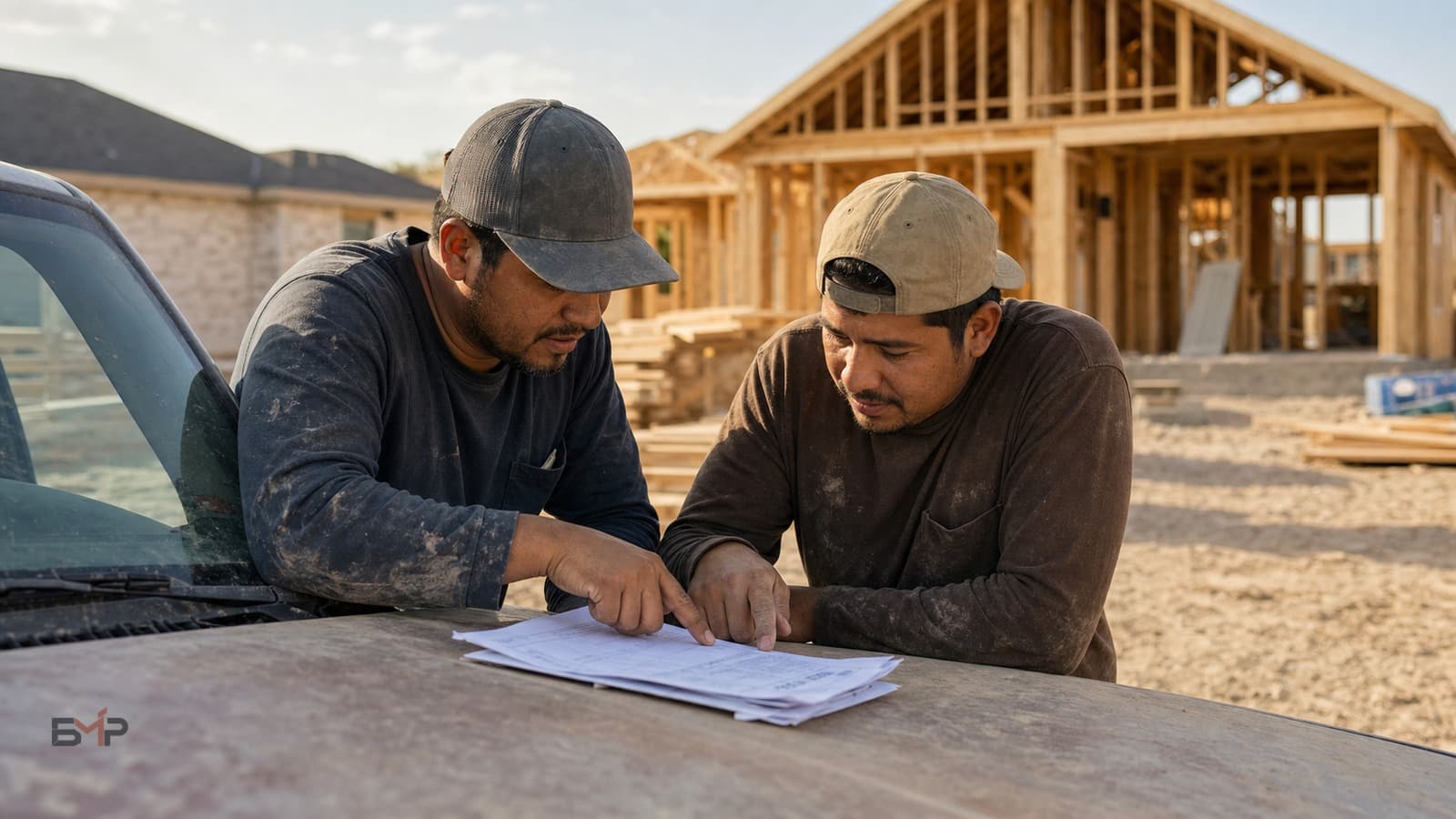
What a lien notice even is
A lien notice is you, on the record, telling the right people that you're owed money for work on a property — before you ever file an actual lien. Think of it as the warning shot that keeps your rights alive. Texas, like most states, doesn't just let you spring a lien on someone out of nowhere months later. You generally have to put people on notice along the way, on a schedule, or you can lose the ability to lien at all. That's the part that catches good contractors off guard: the notice isn't optional paperwork. On many projects it's the thing that preserves your leverage. Skip it, and even a totally legitimate unpaid balance can become unenforceable.
Why "who" and "what kind of project" change everything
Two questions decide almost all of your Texas notice obligations: What's your role? A general contractor dealing directly with the owner has different (and fewer) notice requirements than a subcontractor or supplier two tiers down the chain. The further you are from the owner, the more notice discipline the law expects from you. What kind of project is it? Residential and commercial run on different tracks, with different timing. A residential homestead has its own stricter rules. "I sent a notice once" isn't the same as "I sent the right notice, to the right people, by the right date, for this type of project."
The deadlines where people lose
Texas leans on that "15th of the month" rhythm, and the notices stack up over the life of a job. On a residential project, a subcontractor's notice of an unpaid amount generally needs to go out by the 15th day of the second month after the work was done — and miss the window, and the strongest remedy you had starts slipping away. The mechanics aren't impossible. They're just unforgiving, and they assume you're keeping track of dates that are easy to lose when you're running actual jobs. Here's the honest line every contractor needs to hear: this is real law with real teeth, and when it's time to actually file, you want an attorney. BuilderMaxPro is not your lawyer and doesn't pretend to be. What it does is make sure the dates and records your lawyer will ask for are already captured and visible — so "I should send a notice" never becomes "I should have sent a notice."
Turning the law from a threat into a routine
The contractors who never sweat lien notices aren't legal experts. They've just turned the whole thing into a routine that runs off their job records. Every job has a start, a set of people in the payment chain, and a finish date — and once those live in one place, the notice deadlines stop being abstract law and become obvious dates tied to a specific job. The anxiety drains out of it. It's not "am I breaking some rule I don't understand?" It's "this job has these dates, and I can see them."
How BuilderMaxPro helps
BuilderMaxPro keeps each job's details, customer and payment-chain info, records, and key dates in one workflow — so the notice deadlines tied to that job are visible instead of buried in statutes you'd have to go decode. It won't draft your legal filing, and it'll always tell you to get an attorney for the real thing. But it makes navigating the process dramatically less scary, because you're working from organized facts instead of memory and dread. Start free in your browser — no card, no app store.
Frequently asked questions
Do I really have to send notices, or can I just file a lien if I'm not paid?
On many Texas projects, sending the required notices on time is what preserves your right to lien later. Skip them and a legitimate unpaid balance can become unenforceable. The notice isn't busywork — it's the thing that keeps your leverage alive.
How do residential and commercial notices differ?
They run on different timelines, and residential (especially homestead) projects have stricter rules. The right notice depends on both your role and the project type — which is why generic advice is dangerous and your own job records matter so much.
Where does BMP fit if it's not giving legal advice?
It keeps the facts straight — job details, payment chain, records, and the dates that drive your notice deadlines — so you act in time and walk into your attorney's office prepared, instead of late and scrambling.
What happens if a general contractor won't pay a subcontractor in Texas?
The subcontractor should check Chapter 53 notice and affidavit dates by unpaid work month, because notices to the owner or reputed owner and original contractor may be required. If the general contractor has received owner payment, Chapter 28 generally creates a separate seven-day downstream payment clock.