Contractor Not Getting Paid in Texas?
If a GC or owner will not pay in Texas, clean job records and early follow-up matter before lien deadlines start closing.
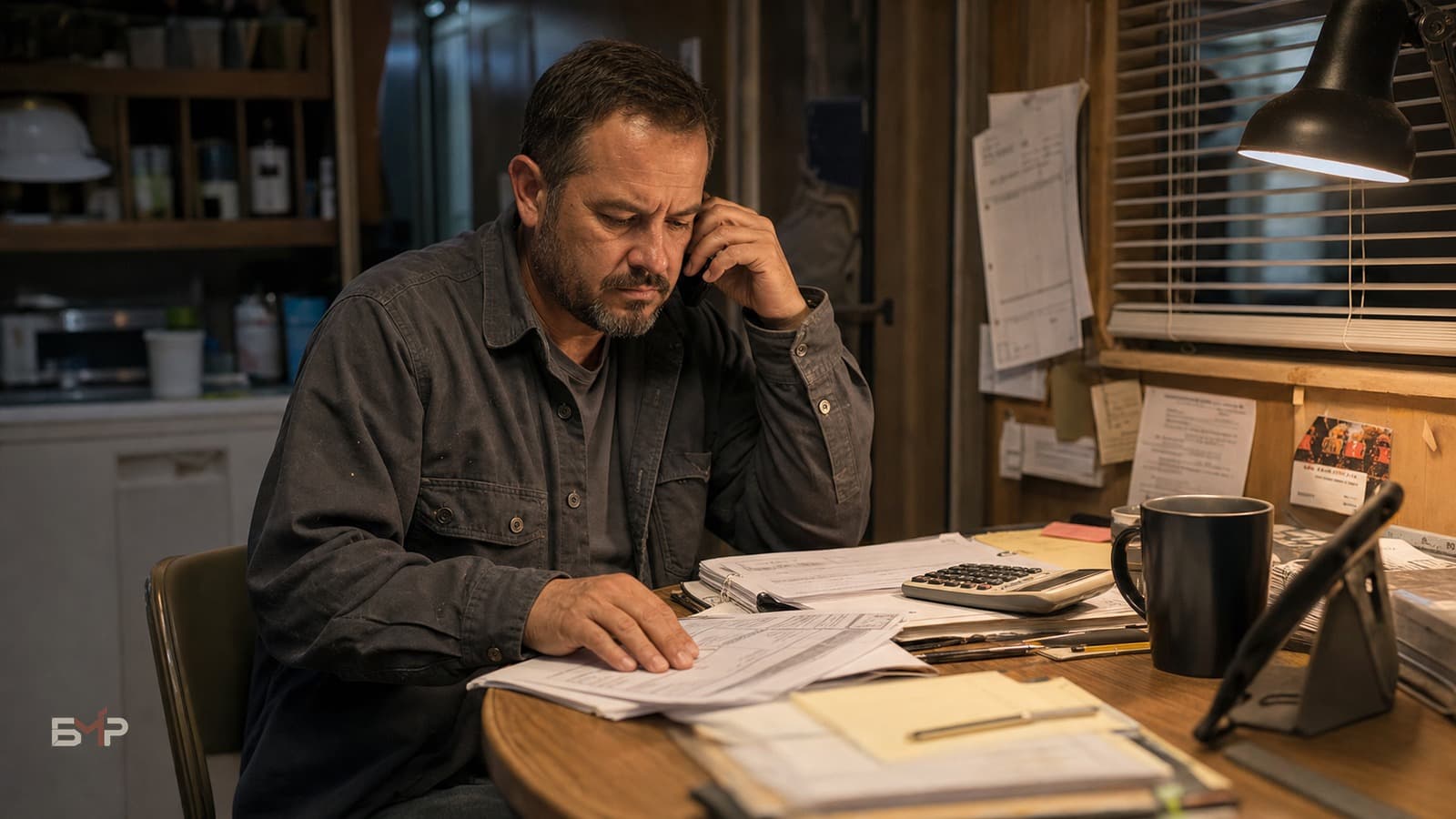
Late payment is a symptom, not the disease
When a payment drags, the instinct is to blame the customer. Sometimes that's fair. But far more often, the slow payment traces back to something that happened weeks earlier: a payment schedule that was never nailed down, a scope that was fuzzy enough to argue about, a change that got done on a handshake, an invoice that showed up without the backup to approve it fast. By the time you're chasing the check, you're treating the symptom. The disease was set in motion at the start of the job.
The five gaps that create slow pay
1. Vague terms. "We'll settle up at the end" is an invitation to settle up late. No clear schedule, no clear due date, no leverage. 2. Fuzzy scope. If the customer can plausibly say "I didn't think that was extra," your invoice becomes a debate instead of a bill. 3. Handshake changes. Extra work with no written, approved change order is the single biggest source of "I'm not paying for that." 4. Thin invoices. An invoice the approver can't verify at a glance gets set aside — and "set aside" is how 30 days becomes 75. 5. No follow-up system. The squeaky wheel gets paid. The contractor who goes quiet after sending the invoice gets paid last, if at all.
Close the gaps and the calendar changes
None of these fixes are dramatic. Clear terms in writing. Scope the customer actually signed off on. Changes captured and approved before the work happens. Invoices with enough detail to approve on sight. A follow-up that's consistent instead of emotional. Do these, and you stop hoping to get paid on time and start engineering it. The customer who has nothing to argue about and everything to verify pays faster — not because they're nicer, but because you've removed every reason to stall.
How BuilderMaxPro helps
Every one of those gaps is really a record-keeping problem in disguise — and that's where BuilderMaxPro quietly earns its keep. Estimates, scope, change orders, invoices, and payment status all live in one place, connected to the job, so payment doesn't ride on memory or a hunt through text threads. When the work, the approvals, and the money all line up in one view, getting paid on time stops being a fight you have at the end and becomes the natural result of how the job was run. It's free to set up in your browser.
Frequently asked questions
My customers are just slow. Isn't late payment out of my control?
Some of it. But most slow payments trace back to fixable gaps — vague terms, fuzzy scope, undocumented changes, thin invoices. Close those and you remove the customer's reasons to stall, which moves more payments on time than chasing ever will.
What's the single highest-impact change?
Capturing changes in writing, approved before the work happens. Handshake change orders are the number-one source of "I'm not paying for that" — and the easiest one to eliminate.
How does BMP help me get paid faster?
It keeps estimates, scope, change orders, invoices, and payment status together on each job, so your bills are clean, your changes are documented, and your follow-up is organized — the exact things that get invoices approved and paid sooner.